
The Evolution of Casino Technology
The landscape of modern casinos has drastically transformed with the integration of technology over the years. Initially, casinos were primarily about physical interactions, where players engaged in games face-to-face. However, with advancements in technology such as the introduction of computerized gaming machines and online platforms, the entire gambling experience has evolved. Today, players can enjoy a wide variety of games from the comfort of their homes, including options from a secure online casino with fast withdrawal options that has broadened the appeal of casino gaming to a more extensive audience.
Additionally, the evolution of mobile technology has played a pivotal role in shaping the modern casino. With the proliferation of smartphones and tablets, casinos have developed mobile applications that allow players to bet anytime and anywhere. This shift not only accommodates the busy lifestyles of contemporary users but also enhances engagement through features like live streaming of games and real-time interaction with dealers. The convenience of mobile gaming has attracted a younger demographic who prefer the flexibility that technology offers.
Moreover, the integration of artificial intelligence and machine learning has revolutionized the operational aspects of casinos. These technologies enable casinos to provide personalized experiences for players by analyzing their preferences and gaming habits. For example, AI can suggest games that are likely to appeal to individual players based on their past behavior. This level of personalization not only improves customer satisfaction but also increases loyalty and player retention, essential components in the competitive world of casinos.
The Rise of Online Gambling Platforms
Online gambling platforms have dramatically reshaped the casino industry, particularly in the last decade. The emergence of these platforms has allowed casinos to reach a global audience, breaking down geographical barriers that once restricted players to local establishments. Gamblers can now access a vast array of games, including slots, poker, and live dealer options, all at their fingertips. This accessibility has contributed to the rapid growth of the online gambling market, making it a significant revenue stream for the industry.
Furthermore, online platforms utilize advanced technology to create immersive gaming experiences. Features such as virtual reality (VR) and augmented reality (AR) are beginning to make their way into online casinos, providing players with a more engaging and interactive environment. These innovations not only enhance gameplay but also simulate the excitement and ambiance of a physical casino, bridging the gap between online and in-person gaming experiences.

The regulatory landscape surrounding online gambling has also evolved due to technology. Many jurisdictions have established comprehensive licensing and regulatory frameworks to govern online casinos, ensuring they operate fairly and transparently. Technologies like blockchain and cryptography are now being implemented to enhance security and trustworthiness in online transactions. As a result, players can enjoy their favorite games with peace of mind, knowing that their personal and financial information is secure.
The Impact of Data Analytics on Casino Management
Another significant impact of technology on modern casinos is the use of data analytics for better management and decision-making. Casinos generate vast amounts of data daily, from player habits to game performance. By harnessing this data, casino operators can gain insights into customer preferences, which can be used to tailor marketing strategies and optimize game offerings. This level of data-driven decision-making ensures that casinos can remain competitive and relevant in a rapidly changing environment.
Moreover, data analytics allows casinos to enhance their operational efficiency. By analyzing patterns in player behavior, casinos can optimize staffing levels, adjust gaming floor layouts, and even refine their promotional strategies. For example, if data indicates that certain games attract more players during specific hours, management can allocate more resources to those areas during peak times. This strategic allocation not only improves the overall gaming experience but also increases profitability.
Additionally, casinos are increasingly employing predictive analytics to forecast trends and player behavior. By understanding potential future outcomes, casinos can proactively implement strategies to increase player engagement and retention. This forward-thinking approach is crucial in a competitive industry where attracting and keeping customers is paramount. The utilization of data analytics, therefore, not only enhances customer experiences but also drives operational success.
Enhancing the Player Experience through Technology
The player experience is at the heart of any successful casino, and technology plays a crucial role in enhancing this experience. Modern casinos have embraced innovations like mobile apps, loyalty programs, and virtual tours to create a more enjoyable environment for players. Mobile apps, for instance, offer players an easy way to track their accounts, receive real-time promotions, and engage with other players, enhancing the social aspects of gaming even in a digital context.
In addition to mobile apps, casinos are making use of innovative gamification techniques to make the experience more engaging. By integrating elements such as challenges, rewards, and competitions into the gaming environment, casinos can foster a more interactive experience that keeps players coming back. These tools not only enhance player retention but also create a sense of community among users, which is crucial in an age where personal connections are increasingly taking place online.
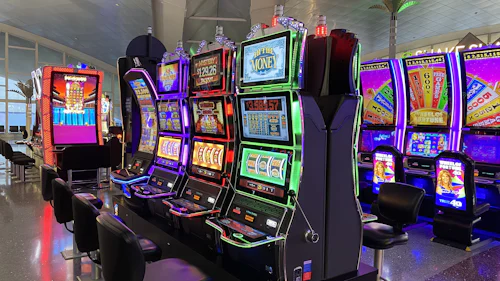
Furthermore, physical casinos are also incorporating technology into their design by integrating large screens for displaying promotions and live game feeds. Interactive kiosks allow players to check in for events or receive information about the games available. This level of technological integration helps to create a seamless experience for players, ensuring that whether they are in a physical location or playing online, they enjoy a top-tier gaming experience.
Conclusion: The Future of Casinos and Technology
The future of casinos is undoubtedly intertwined with the advancement of technology. As the industry continues to evolve, we can expect to see further integration of cutting-edge technologies such as artificial intelligence, blockchain, and augmented reality, which will redefine the gambling experience. Players will likely have access to even more personalized, secure, and engaging gaming experiences, whether online or in physical establishments.
Moreover, as regulations evolve to keep pace with technological advancements, casinos will be better positioned to operate transparently and securely, reinforcing trust with their customers. The move toward a more digital experience is not merely a trend but rather a fundamental shift that is shaping the industry as we know it. Embracing this change will be crucial for casinos to thrive in an increasingly competitive market.
For those interested in exploring the latest developments in the world of technology and casinos, staying informed through dedicated platforms can provide valuable insights. Engaging with websites focused on the intersection of technology and gaming will help enthusiasts understand the trends shaping the future of casinos. As technology continues to advance, so too will the world of casinos, offering exciting new possibilities for players around the globe.